
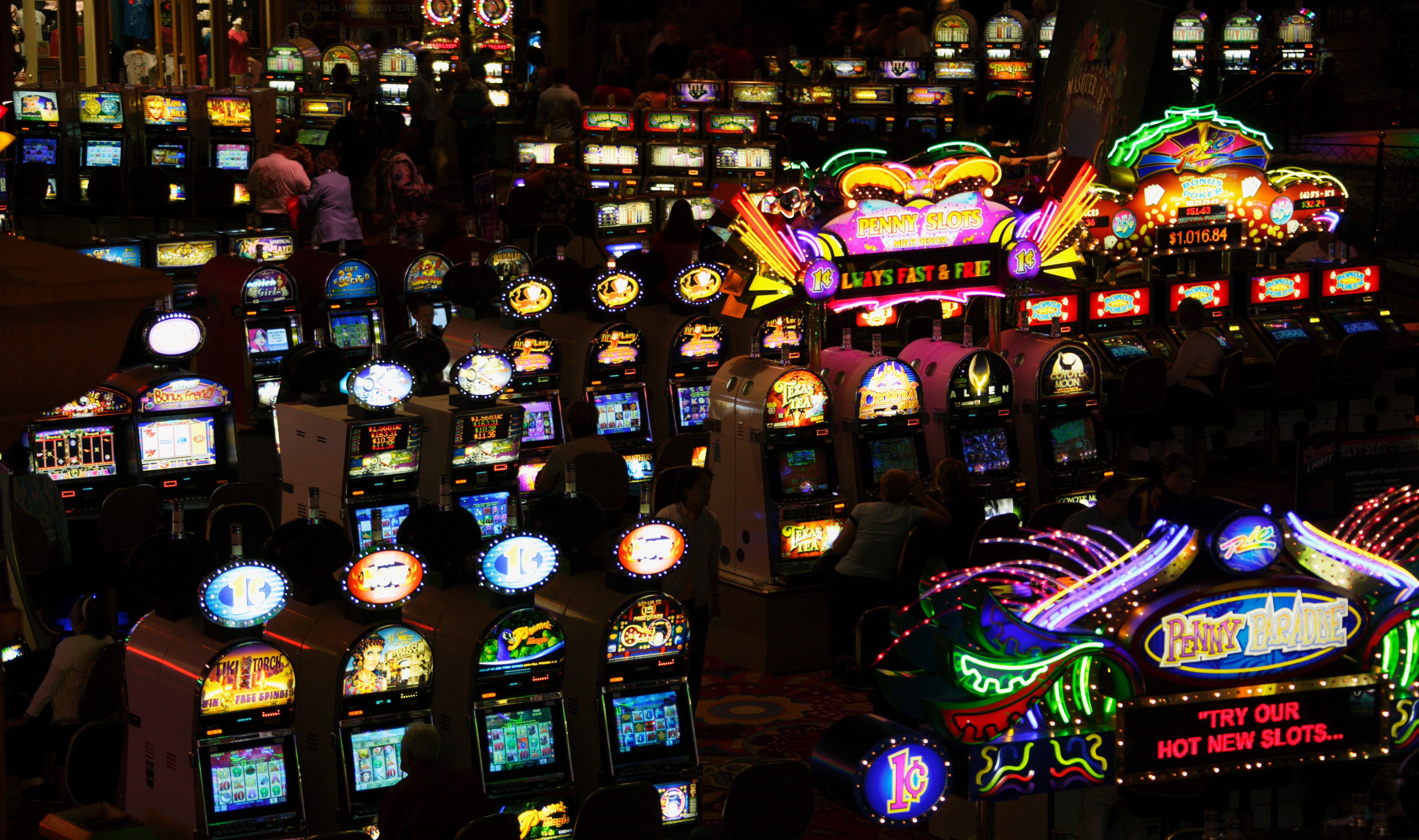
Walk into almost any casino today and you'll find a paradox. Some of the most sophisticated entertainment environments in the world are still relying on printed posters and USB sticks to communicate with their guests. While the gaming floor has evolved dramatically over the decades, the way casinos talk to their visitors has largely stayed the same. Promotions go stale, wayfinding caused confusion, and fragmented technology leaves operators managing a dozen disconnected systems at once.
That's beginning to change. As connected casino infrastructure matures and guest expectations rise, forward-thinking casinos are moving away from static, one-size-fits-all messaging and towards dynamic, context-aware communication that feels less like advertising and more like service. The shift isn't just technological, but a fundamental change in mindset, from pushing promotions at guests to crafting experiences around them.
Static Signage Results in Static Experiences
Before connected space infrastructure, like casino advertising displays, dynamic digital signage and interactive wayfinding kiosks, casino signage and wayfinding was very static. Promotions would need to be physically updated, staying the same until the next priority promotion came along. This resulted in limited flexibility, and the very real situation where signage was showing promotions well past their end date, leaving guests frustrated when they realise they missed out on a tournament they wanted to attend, or leaving them feeling embarrassed when they ask about a promotion that was no longer active.
The same goes for wayfinding. Most casinos would use static navigational signs across the entire casino, with printed maps in high traffic areas of the casino. Memorising the route from the map, alongside cues from the static signage would help guests get around the casino floor (if they have a good memory), but getting guests from A to B isn’t the only purpose of wayfinding, and static signage can’t adapt to real-time changes around your casino.

Historically, it was also difficult to keep contact with guests outside of the game floor. Going back far enough, you’d need a guest’s home address to send them promotions and updates. More recently you could rely on email, but that has its own challenges with deliverability and cutting through the clutter and noise of a busy inbox. Email can also feel one-directional, as you’re reaching out to guests when you feel the time is right, rather than them being able to get instant, relevant notifications from an app, or visit it on their own terms. The result is that loyalty is harder to build, and harder to measure.
Because tech moves at different paces, that’s also resulted in connected space infrastructure which feels fragmented. You often end up with separate software for wayfinding, signage, your app, your website, your audio systems, and they rarely connect with one another, resulting in guest data that sits in silos, and no single view of the guest experience emerges.
Casinos need to be moving towards unified communication platforms to ensure that guests are getting the best experiences, while operators boost revenue. But with so much tech out there that solves the various fragments of the communication problem in a siloed way, it’s a challenge to know where to start, meaning it can often be easier to rely on the platforms of old.
Not every casino feels this way. In fact, the global casino digital display market size was valued at $2.1 billion in 2024, and is forecasted to hit $5.8 billion by 2033, growing at a robust CAGR of 11.2%, according to Market Intelo.
With such massive growth happening, you don’t want to get left behind. But this isn’t just about upgrading your tech. It’s about shifting your perspective from a promotional one to an experiential one.

Turning Screens into Experiences Through Connected Space Infrastructure
Casinos are known for offering great experiences and always have been. But, with limited options due to static signage, it’s been challenging to extend that experience to your promotions. Connected casino infrastructure changes this by bringing together the visual layer (your digital signage) and the spatial layer (your wayfinding) into a single, manageable platform. The result is that your casino communicates with your guests rather than just broadcasting at them, moving from promotional into experience driven communications.
By moving beyond static casino signage, you can deliver real-time gaming and venue information across display networks of any scale, from individual screens to large-format LED installations.
Your casino promotions technology should give you flexibility and allow you to schedule promotions for different times of day, encourage guests to move to lower footfall areas, or get critical communications to guests when needed.
These context-relevant messages feel less like adverts and more like genuinely useful information, which is exactly what distinguishes an experience from a promotion.
First Impressions
First impressions are everything. Immersive experiences, using powerful content, creative screen configurations and innovative audio, help guests feel like they’re stepping into a distinct world from the moment they arrive at your casino. Large-format LED installations, co-ordinated content across multiple screens and dynamic welcome signage that responds to the time of day, current events or even the weather outside all contribute to an atmosphere that static signage simply cannot create.
If a full LED spectacle isn’t on the roadmap yet, welcome signage that adapts to the environment is a high-impact starting point. A screen that greets guests differently at noon than it does at midnight, or that reflects a major tournament happening on the floor, signals to guests immediately that this is a venue that’s a cut above the rest.

Context-relevant Promotions and Wayfinding
One of the core problems with traditional static signage, or USB-powered digital promotions, is that it’s not practical to swap content out across your entire casino multiple times per day depending on guest volume, time-of-day offers, or even changes in the weather. To get the same impact, you'd need to print new promotional signage, arrange delivery, and have staff swap it out by hand which isn’t practical or easy to scale.
Connected space infrastructure solves this from a single point of control. If you want to share a new promotion, you can do so from one PC, pushing updates to individual screens, groups of screens, or your entire estate simultaneously. Every screen becomes multi-use promotional signage that updates throughout the day, covering everything from dining options to progressive jackpots. Idle wayfinding kiosks become revenue-generating assets, promoting relevant offers when guests aren’t actively navigating.
Even better, powerful casino promotions technology can be set to trigger based on different conditions. If your bar revenue is down mid-way into an evening, you can set your signage to run promotions that drive more guests to the bar. If it’s raining outside, your signage can be updated to reflect that automatically with indoor screens updating guests on the weather forecast, which may influence them to stay longer. If a jackpot hits a particularly enticing threshold, relevant signage fires automatically. And when a promotion ends, screens update immediately, meaning no more outdated offers causing guest frustration.
This dynamic approach benefits wayfinding too. Static wayfinding doesn’t consider, and physically can’t adjust for, the evening rush of guests or the bottlenecks that often come with larger tournaments or events. Interactive wayfinding will adapt to these changes either through sensors or manual input, and help guests move around your casino without adding to the congestion, or stopping it from happening altogether.
Personalised Guest Communication and Loyalty
Connected space infrastructure also bridges the gap between on-property experience and the relationship you maintain with guests outside of it. Rather than relying on one-way email campaigns, a unified casino communication platform allows you to reach guests through app notifications that are triggered by behaviour, loyalty tier or visit patterns in a way that feels timely and relevant.
On property, personalised welcome signage can greet returning guests differently to first-time visitors, acknowledge high-value players in the right moments, and serve loyalty programme updates in context. This kind of communication actively builds the sense that your casino knows and values its guests, which is one of the most reliable drivers of return visits.
Crucially, all of this can be achieved while keeping data anonymised and private. Aggregated behavioural data helps you understand how guests move through your space and what drives their decisions, without requiring personally identifiable information at the point of display.
Accessibility as Standard
One benefit of connected space infrastructure that often goes underappreciated is what it makes possible for guests with additional needs.
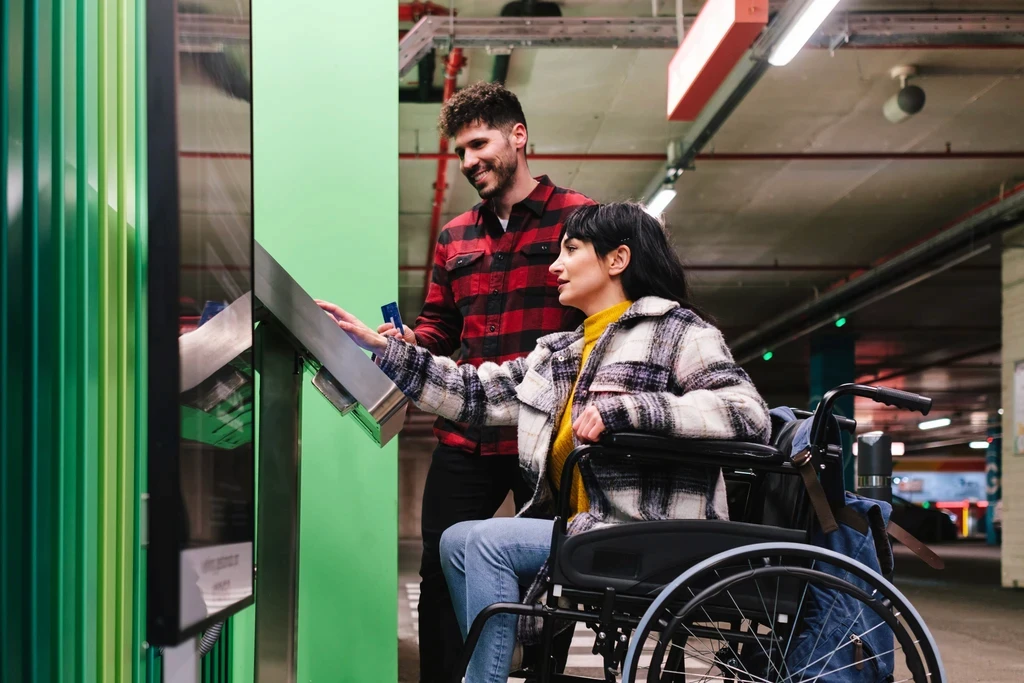
Interactive wayfinding can surface step-free routes automatically, reducing reliance on staff assistance and giving guests with mobility requirements more independence as they move through your casino. For guests who are hard of hearing, live captions can be displayed on relevant screens, and for guests who aren’t fluent in the primary language of your venue, content can adapt accordingly.
This isn’t just a regulatory consideration, it’s a meaningful differentiator. A casino that removes friction for all its guests, not just the majority, builds a broader base of loyal visitors and a reputation that travels.
Accessibility is not optional. It’s about designing for dignity and ensuring everyone, regardless of ability, can engage with technology independently and confidently.
What Casino Operators Gain
Moving from static signage to connected space infrastructure has a measurable impact across three areas: revenue, operations, and guest experience. The improvements compound as guests who have better experiences stay longer, spend more, and visit again.
Revenue and Dwell Time
The most direct commercial impact comes from more relevant, timely promotion. Automatically switching food and drink promotions from lunch offers to evening dining, surfacing jackpot thresholds as they build, or promoting an upcoming show to a guest who’s been on the floor for three hours drive incremental spend. Guests who might have headed offsite for dinner stay on property instead, and events are better attended because they’re promoted to the right people at the right moment, not just whoever happens to walk past a static poster.
Operational Efficiency
Powerful casino promotions technology saves significant staff time by making it simple to update multiple screens, groups of screens, or your entire casino’s signage from one central point, or automatically, based on triggers. It also eliminates the operational risk of promotions running past their end date due to a missed poster or a forgotten USB stick.
Your casino communication platform improves staff distribution too. With guests able to find information through interactive kiosks and dynamic signage, staff receive fewer routine navigation and events queries, freeing them to focus on higher-value guest interactions and the moments that create lasting impressions.
Guest Experience and Loyalty
A guest using a kiosk to navigate to a game that’s at full capacity doesn’t need to walk across the floor only to find a long wait. Intelligent wayfinding alerts them in advance and surfaces relevant alternatives, turning a potentially disappointing moment into one that introduces them to something new. Guests who associate your casino with seamless, frictionless experiences are guests who visit your casino again and again.
Real-time crowd management, driven by sensor data, allows signage to guide guests along less congested routes and redistribute footfall across the floor, which improves the experience for everyone while reducing the operational burden on staff who would otherwise be managing queues manually.
Getting Your Communication Platform Right
The gap between where casino communication is today and where it could be is significant, but so is the opportunity. Operators who move beyond static signage and fragmented systems gain not just in revenue, but in the quality of experience they're able to offer every guest who walks through their doors.
The technology to make this shift is already here. Connected space infrastructure, dynamic digital signage, and intelligent wayfinding aren't future concepts, they're practical tools being adopted by casinos right now, at a market scale that makes the direction of travel clear. The question for operators isn't whether this evolution will happen, but whether they'll lead it or be left catching up.
Guests remember how a place made them feel. If your casino that communicates with them in the right way, at the right moment, with information that's genuinely useful, they'll want to return. That's the real prize of getting your communication platform right.
Ready for Connected Casino Infrastructure?
Let's talk about how you can improve your guest experience with future-proof venue navigation and the CMS built for high-traffic environments.
Already got great hardware but looking for a software change? Switching is easier than you think.
what's next
Want to know more?
Book a consultation with our experts
By submitting this form you agree to our terms.