

Every few years, a new term emerges that promises to redefine retail signage. Often, though, the technology itself hasn't changed nearly as much as the language around it.
One of those terms is holistic, which means to deal with or treat the whole of something or someone and not just a part.
On the surface, that's a good thing. Retailers should want their screens, content and data working together rather than sitting in silos. The problem isn't the idea behind holistic signage, it's how the term gets used. Too often "holistic" is a label slapped onto the same setup that's always existed, with nothing really truly holistic about it
Real holistic retail signage isn't a feature set you switch on, it's an integration discipline that starts on-site, with the shopper's journey, not with guesswork in a dashboard.
What "Holistic" Signage Actually Means (and What It Isn't)
Holistic signage means hardware, content, data and physical space working together as one connected system, rather than a collection of point solutions bolted together after the fact.
Without that, you end up with signage that's holistic in name only. Window displays, shelf-edge screens, POS displays and wayfinding all run on separate systems, even if they're technically sitting on "one platform." The software might look unified on paper, but if it was installed without regard for network, power, sightlines or store layout, it was never holistic to begin with.
Holistic isn't something you buy, it's something you build in right from the start.
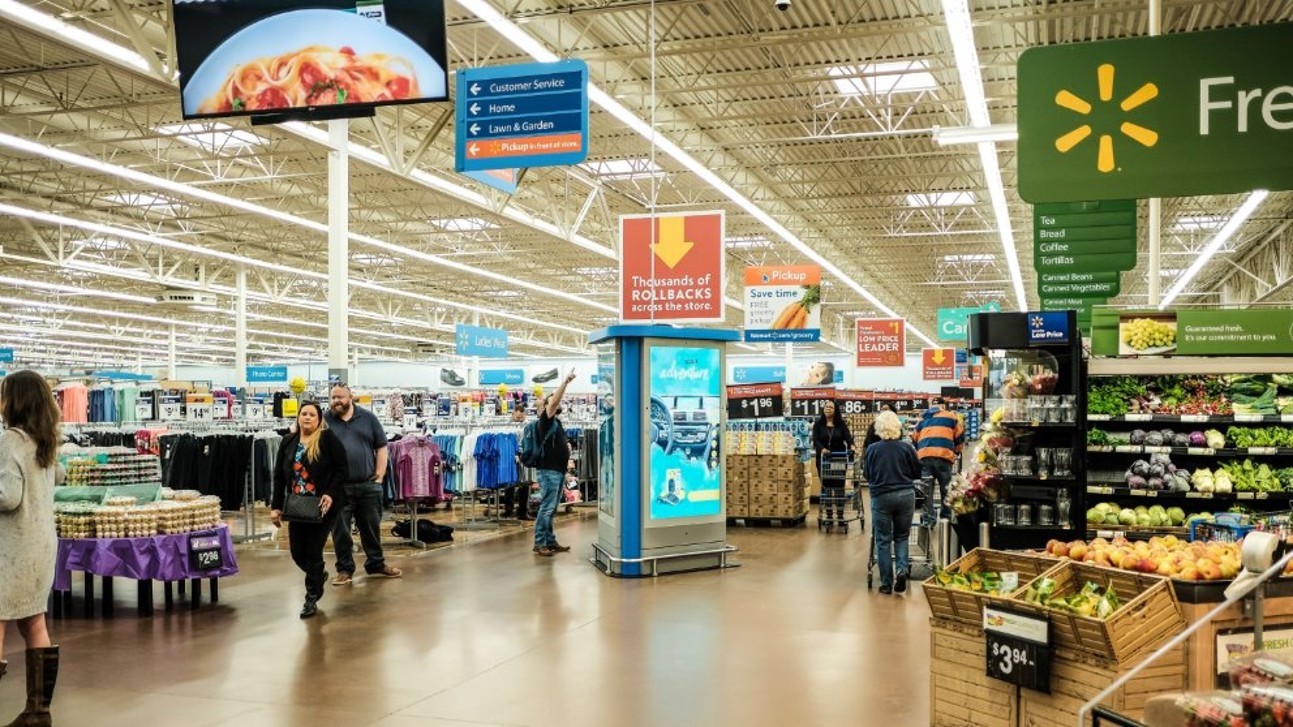
Why Holistic Signage Matters in Retail
Retail environments change constantly, whether that’s because of promotions, seasonal resets, store refits, in a way most other spaces don't. Signage that can't adapt as fast as the store around it is quickly ignored by customers, rather than working as an asset.
Retail also has more hands on the same screens than most industries. Marketing, ops, merchandising and loss prevention all need to put content in front of shoppers, often on the same displays, often with conflicting priorities. And the physical constraints are tight, needing to consider sightlines, footfall patterns, till queues, fitting rooms, meaning every screen has to earn its place.
When holistic signage works, the results are immediate and visible, with customers seeing content that’s relevant to them. When it doesn't, that's just as visible. Shoppers see dead screens and mismatched content, while behind the scenes complicated dashboards sit unused. Retail signage should be working for the business, not creating extra work behind the counter.
Holistic Starts With the Install
If a holistic approach doesn't start at the site survey, the signage won't end up holistic. Instead it will feel like an add-on, detached from the rest of the store's infrastructure.
That means hardware selection matched to placement and purpose needs to be planned from day one: brightness for windows, durability for shelf-edge, the right mounting for videowalls. It means cabling, power and connectivity planned for how content and signage will scale later, not just for what's needed on install day. Future-proofing should never be optional.
It also means thinking past the handover. A technically flawless install can still fail if it isn't built for how the ops team will manage it day to day. That has to be designed in from the start, not patched in afterwards.
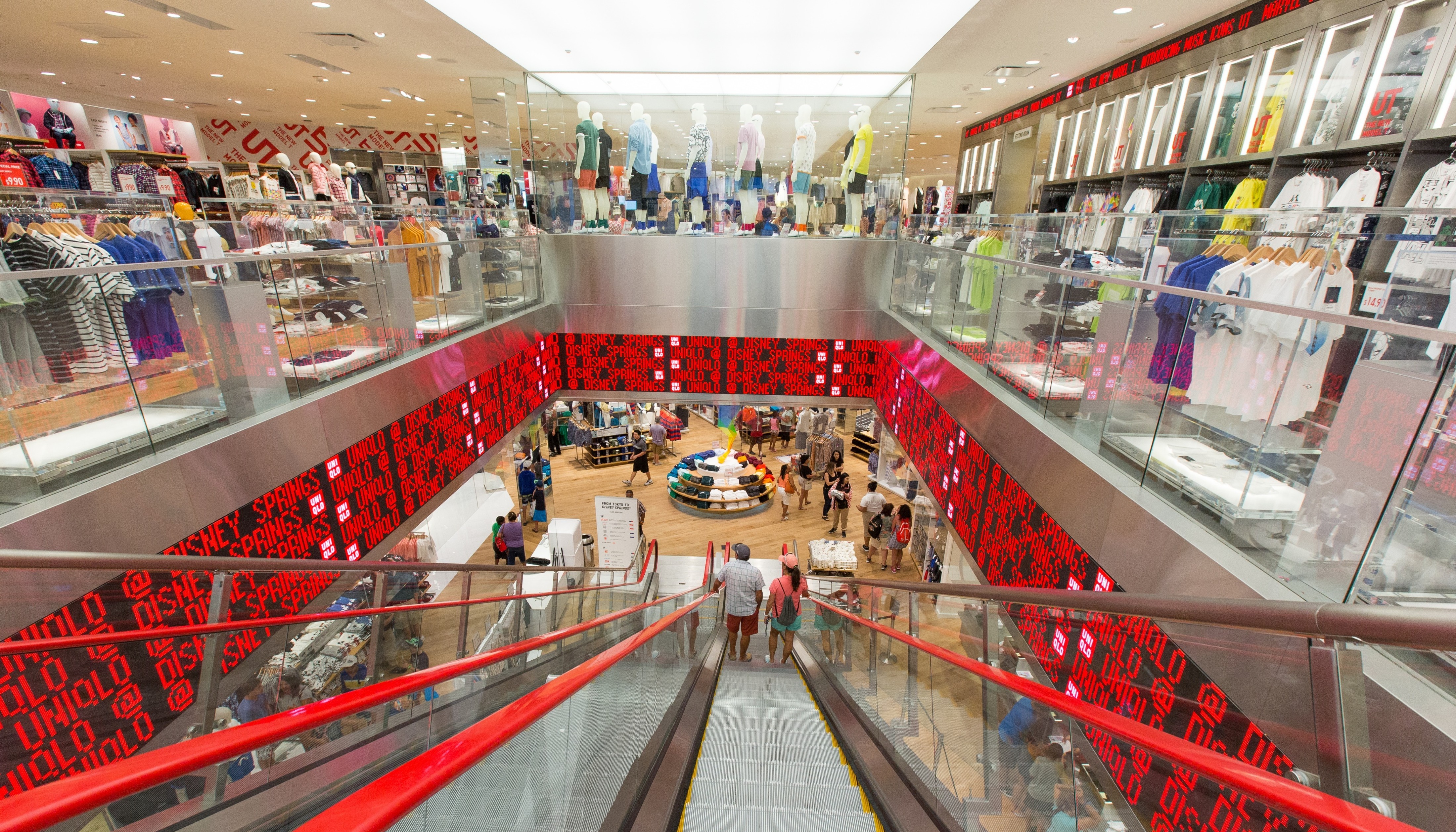
Living With Holistic Signage in Retail
For retail ops, holistic signage means one system and one point of control across the whole store estate, but that's only possible if content, scheduling and reporting are genuinely unified, not just co-located on the same screen.
It also means giving store staff software they can actually use: the ability to update content or troubleshoot an issue without picking up the phone to the integrator every time.
Just as important is getting data flowing in both directions, between existing store systems and the signage platform itself. Dwell time, playback verification and uptime feed back into merchandising decisions. Footfall, key promotions and time of day feed forward into what shoppers actually see on screen, turning static content into something that responds to the store in real time.
Centralising signage across the estate also builds consistency store to store, but that shouldn't come at the cost of localisation. Feeding in data for each individual store lets every location deliver a locally relevant experience while still feeling unmistakably on-brand.
The Challenges With Holistic Signage
The idea behind holistic signage is that it's treated as part of the retail ecosystem, not bolted on as an afterthought. In practice, the biggest challenge isn't the concept itself; it's the buzzword being used to describe an approach that never really changed.
An out-of-the-box signage solution will rarely be holistic in any meaningful sense, because it struggles to integrate with the screens and data points a retailer already has. And when screens are being installed from scratch, the signage software often gets treated as the final piece of the puzzle, rather than the foundation everything else should be built on.
This usually comes down to the same root cause: hardware chosen without input from the CMS vendor, or software chosen without input from the install team, sometimes both. Hardware and software get treated as separate decisions instead of one interconnected plan from day one. The same disconnect shows up in content, too, with content teams producing assets nobody briefed on the actual screen specs, guessing at sizes and formats instead of working from a shared plan.

Holistic Isn't a Product. It's How You Plan the Project.
None of this makes holistic signage a bad idea, quite the opposite. The concept is right; it's the shortcuts around it that cause the problems. Retail signage genuinely is better when hardware, content, data and physical space are designed as one system rather than assembled from parts that were never meant to talk to each other.
Getting there isn't about finding a platform with "holistic" in its marketing copy. It's about the people specifying the hardware, the people writing the software, the people running the install and the people managing the store floor all working from the same plan, from the very first site survey through to years of day-to-day operation.
That's the real test of holistic signage: not how it's described, but how it holds up once the store is open, the promotions calendar is in full swing, and the only people who really notice it are the shoppers it was built for.
Are You Looking for a Truly Holistic Retail Digital Signage Solution?
Our solutions enhance the digital experience for retailers and grocery stores with intelligent interactive store maps, shelf-edge digital pricing labels, and endless aisle digital signage. Learn more about our retail and grocery solutions.
what's next
Want to know more?
Book a consultation with our experts
By submitting this form you agree to our terms.