
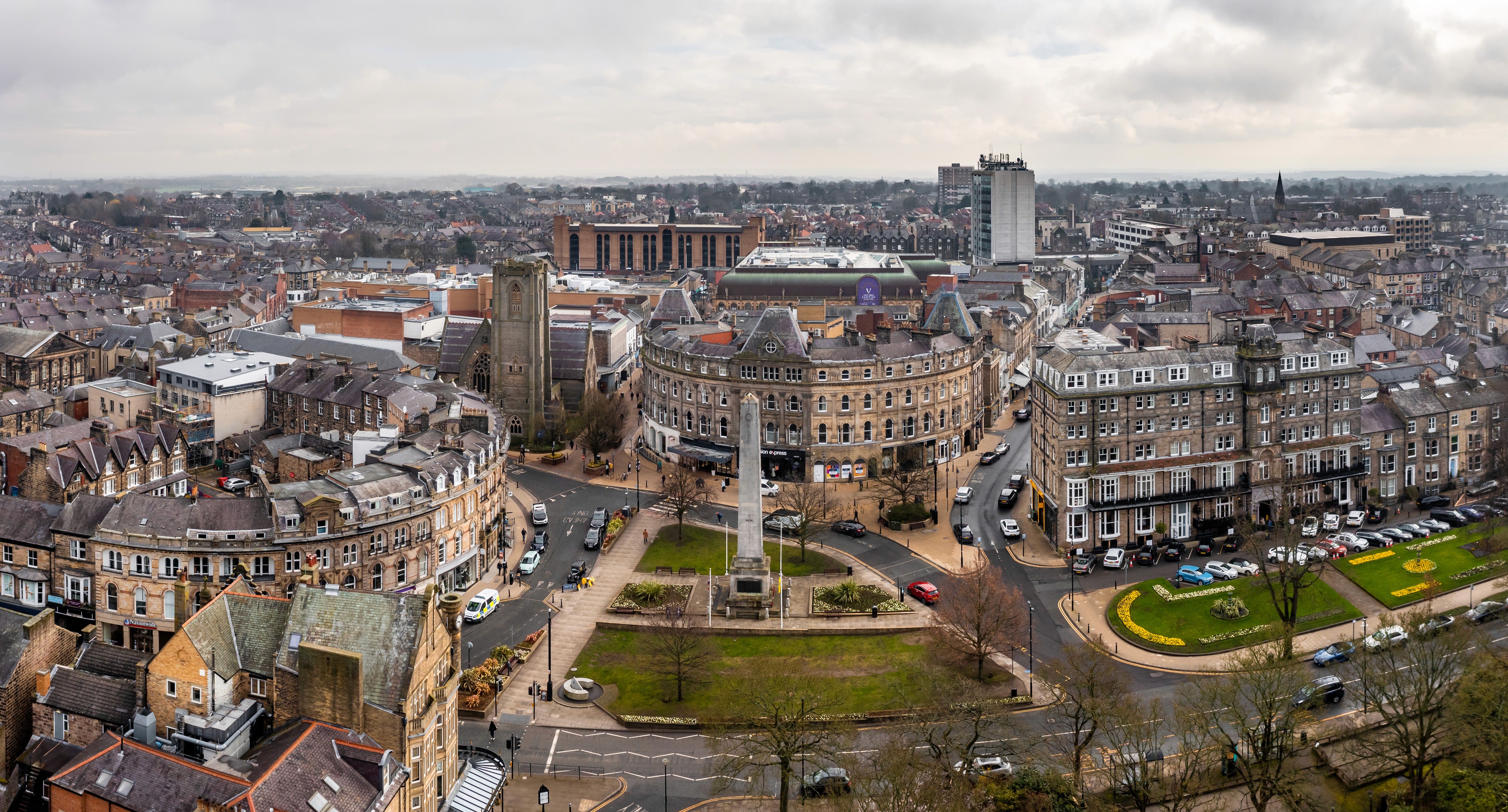
In sprawling public environments, like city parks, open-air shopping centres, waterfront promenades, and historical districts, getting from A to B is rarely a straight line. These spaces are dynamic and diverse, offering far more than just destinations. They’re places to explore, linger, and experience. But without smart navigation, the journey often falls short.
Interactive wayfinding is transforming how people engage with these environments; not just helping them find their way, but enriching the visit itself. This isn’t about static maps under glass. This is about real-time information, inclusive experiences, and contextual storytelling that adapts to every type of visitor.

Orientation Without Frustration
In a built-up city centre or a festival site stretched across multiple zones, physical landmarks can blur together. Digital wayfinders bring clarity and calm to the chaos. Intuitive, interactive maps with “you are here” positioning give visitors immediate orientation. And with visual cues like landmark-based directions (e.g., “Turn left at the fountain”), users navigate confidently, even if it’s their first time in the space.
Multi-language support, voice prompts, and intuitive gestures make it accessible for tourists, international guests, and people with visual or cognitive impairments. That’s vital in public spaces with high footfall from a global audience.
Engagement That Goes Beyond Directions
Smart navigation isn’t just about wayfinding, it’s a canvas for engagement.
A visitor might arrive searching for the nearest restroom, but while they’re at the kiosk, they can discover localised events, food truck locations, or local discounts. It becomes a moment to inform and delight. Scheduled events, weather alerts, or sustainability tips can be surfaced based on location and time of day.
For councils and site operators, it’s a golden opportunity: promote local businesses, highlight public transport options, and even collect anonymised usage data to optimise foot traffic and services.
Built for the Outdoors, Designed for Everyone
These environments come with challenges traditional signage systems can’t handle - rain, glare, temperature extremes, and even physical tampering. That’s why modern interactive kiosks are weatherproof, vandal-resistant, and readable in direct sunlight.
But beyond durability, they’re designed with inclusivity in mind. Consider accessibility features like high-contrast modes, audio descriptions, and wheelchair-friendly interfaces. It’s about ensuring everyone, from a child in a buggy to a visitor using a mobility aid, feels welcomed, informed, and empowered.
Touchless and Timely
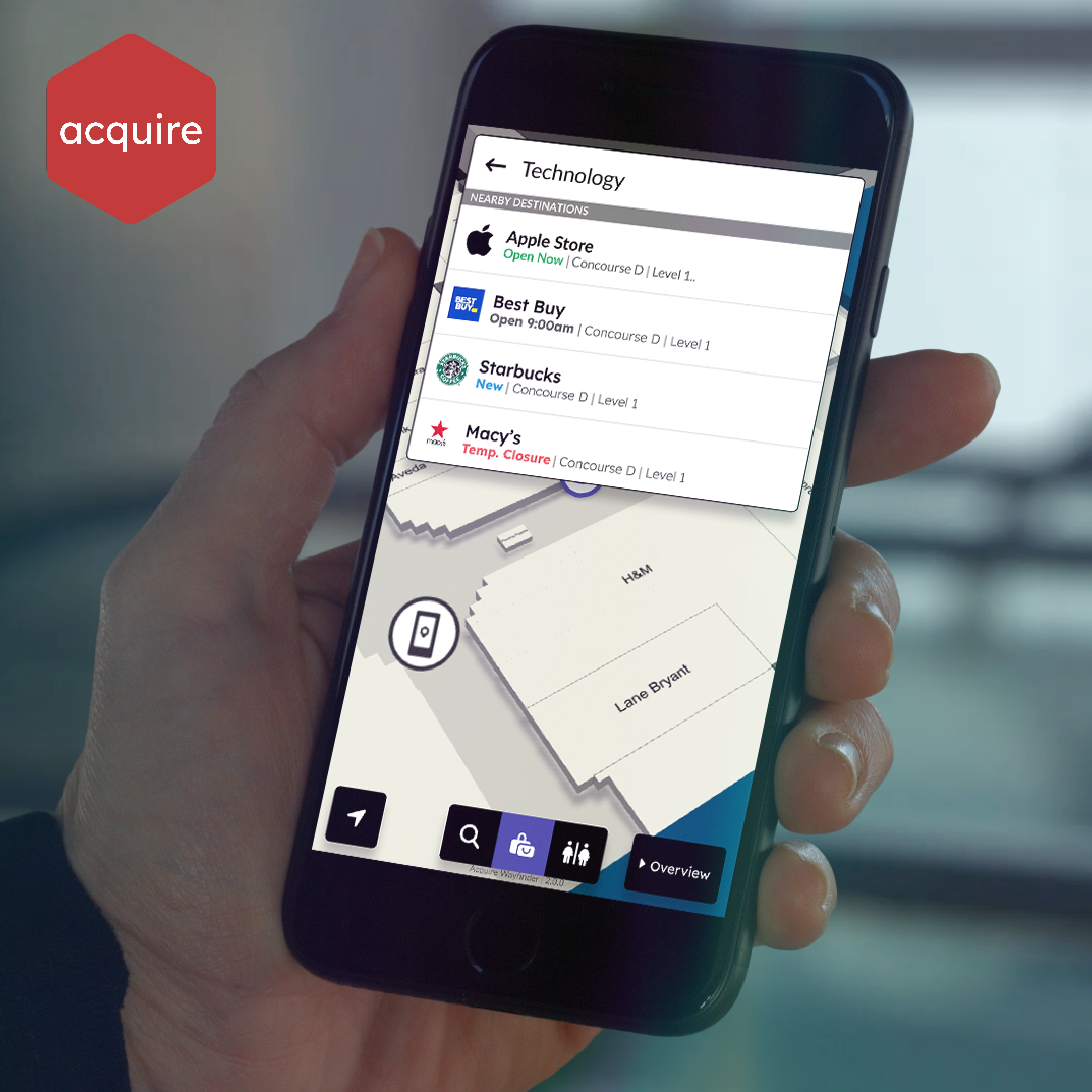
Post-pandemic, public interactions have shifted. People want flexibility; touchscreens are still welcome, but so is the option to interact via mobile. QR codes or NFC triggers allow users to transfer directions or information directly to their phone, avoiding physical contact and making the experience portable.
That same flexibility supports time-sensitive messaging: a sudden storm warning, an emergency exit notice, or even rerouted footpaths due to construction. When the environment changes, the signage adapts with it.
A Platform for Place-Making
Ultimately, digital wayfinding in public and outdoor spaces contributes to place-making. It turns functional navigation into a curated experience that reflects the character of the area; whether that’s a coastal boardwalk highlighting heritage trails, or a city centre promoting late-night cultural events.
By combining utility with identity, wayfinding becomes part of the visitor journey, not just the means to reach the destination, but a reason to explore further.
Want to bring smarter navigation to your public spaces?
Let’s talk about how our Wayfinder platform can help you connect, direct, and delight every visitor - rain or shine.
what's next
Want to know more?
Book a consultation with our experts
By submitting this form you agree to our terms.