

Every digital signage vendor claims pixel-perfect playback, remote player monitoring, and audience analytics. Open ten spec sheets and you will find the same twelve features in a different order. For DOOH operators and multi-site venue teams, this makes the buying decision feel like it comes down to price.
It shouldn't. The features on the spreadsheet are table stakes, not differentiators. The real question in 2026 is not which platform ticks the most boxes. It is whether the platform you choose operates as a single, unified layer across your estate, or whether it becomes one more system your team has to manage alongside three or four others.
Here is what actually matters when comparing digital signage and wayfinding platforms, and why the comparison itself needs to change.
Kiosk management: a device, or a network?
Interactive kiosk management is usually the first line item on any comparison. Can the platform push content remotely? Can it handle multiple screen orientations? Can it support touch interaction?
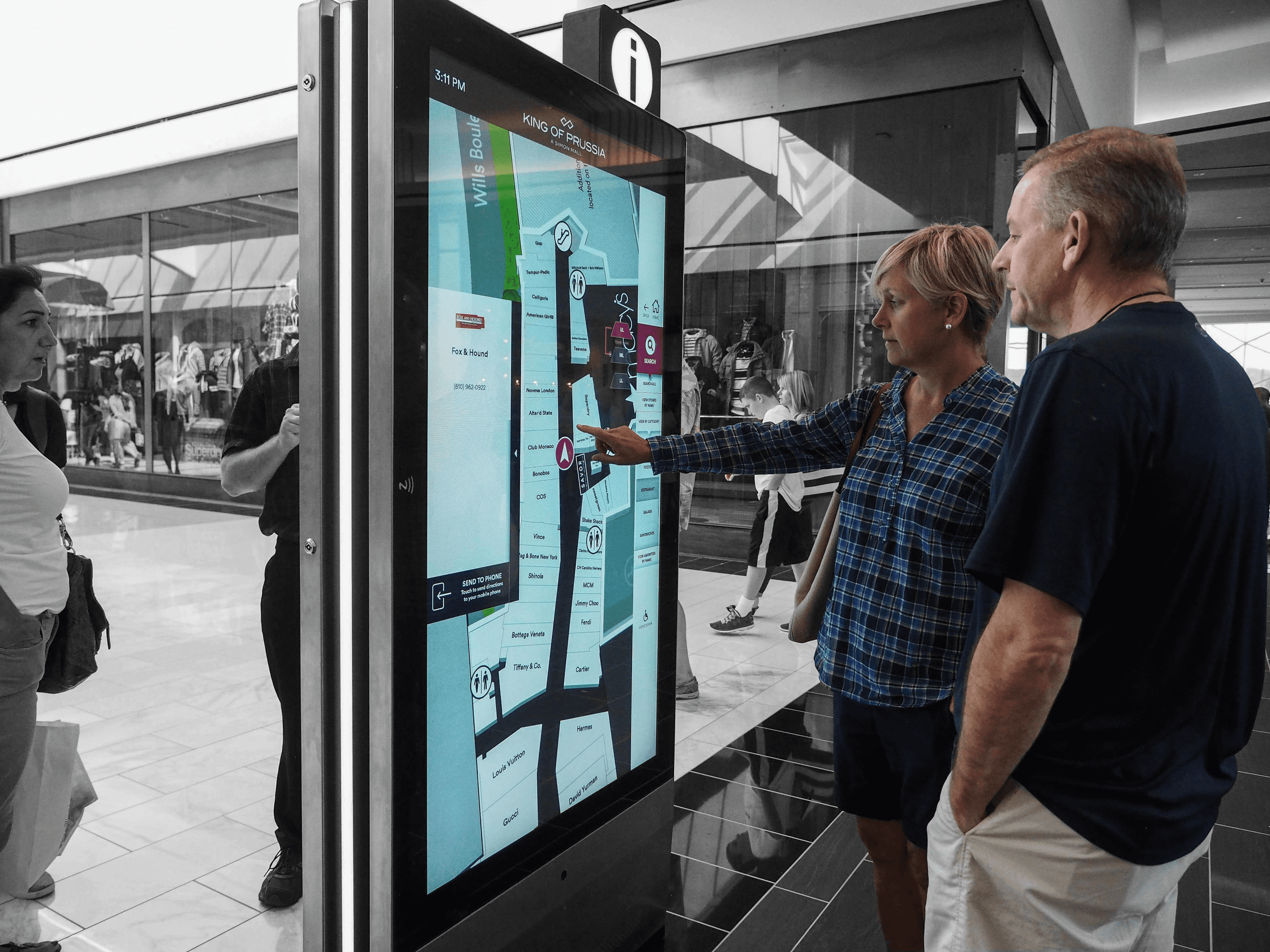
Most platforms answer yes. The better question is what happens when a hotel lobby kiosk, a resort wayfinding totem, and a mall directory are all running different software, reporting into different dashboards, and updated on different schedules. Each one works. None of them talk to each other. For a multi-site operator, that gap is where the operational cost lives, not in any single kiosk's spec sheet.
Evaluate kiosk management by asking whether it is genuinely part of the same infrastructure as your signage and navigation, or whether it is a bolt-on that happens to share a login screen.
Remote monitoring: visibility before failure, not after
Remote player monitoring has become a baseline expectation, and for good reason. A frozen screen in a resort lobby or an offline directory in a shopping mall is a visible failure at the worst possible moment.
The differentiator is not whether a platform offers monitoring. It is whether that monitoring is proactive or reactive. Real-time alerts, automated health checks, and remote recovery (rebooting a player or pushing fresh content without dispatching a technician) should mean your team knows about an issue before a guest or shopper does. If your monitoring tool only confirms what a customer has already reported, it is a diagnostic afterthought, not operational infrastructure.
Ask any vendor how quickly an issue is detected, how it is escalated, and how much of the recovery can happen without a site visit. That answer tells you more than the feature list does.
Audience analytics: intelligence, or a vanity dashboard
Audience analytics is everywhere on comparison charts, and audience analytics is not the same across every provider. Some platforms report impressions. Some detect dwell time, age range, and engagement without collecting personal data. The gap between the two is the difference between knowing a screen was on and knowing whether it worked.
For hotel and resort operators, this data should inform guest experience decisions, not just prove a screen was switched on for a media buyer. For mall operators, it should connect to footfall patterns and tenant performance, not sit in an isolated report nobody reads after month one.
The right question is not "does it have analytics." It is "does the data change a decision," and does it flow into the same system as your content and navigation, or does someone have to export it and stitch it together manually.
Programmatic advertising: a revenue layer, not an add-on
Programmatic advertising capability increasingly separates commercial DOOH operators from those still treating their screens as a cost centre. A platform with genuine programmatic support turns unused inventory into revenue, whether that is a resort's poolside screen network or a mall's directory estate.
The comparison point here is integration depth. Does the platform connect to established programmatic partners and support campaign-driven advertising alongside wayfinding and operational content on the same screen network, or does monetisation require a separate system running in parallel? Operators who have solved this well are not managing advertising as a bolt-on. It runs through the same infrastructure as everything else on the estate.
Sector fit: hotels, resorts, and malls are not the same buyer
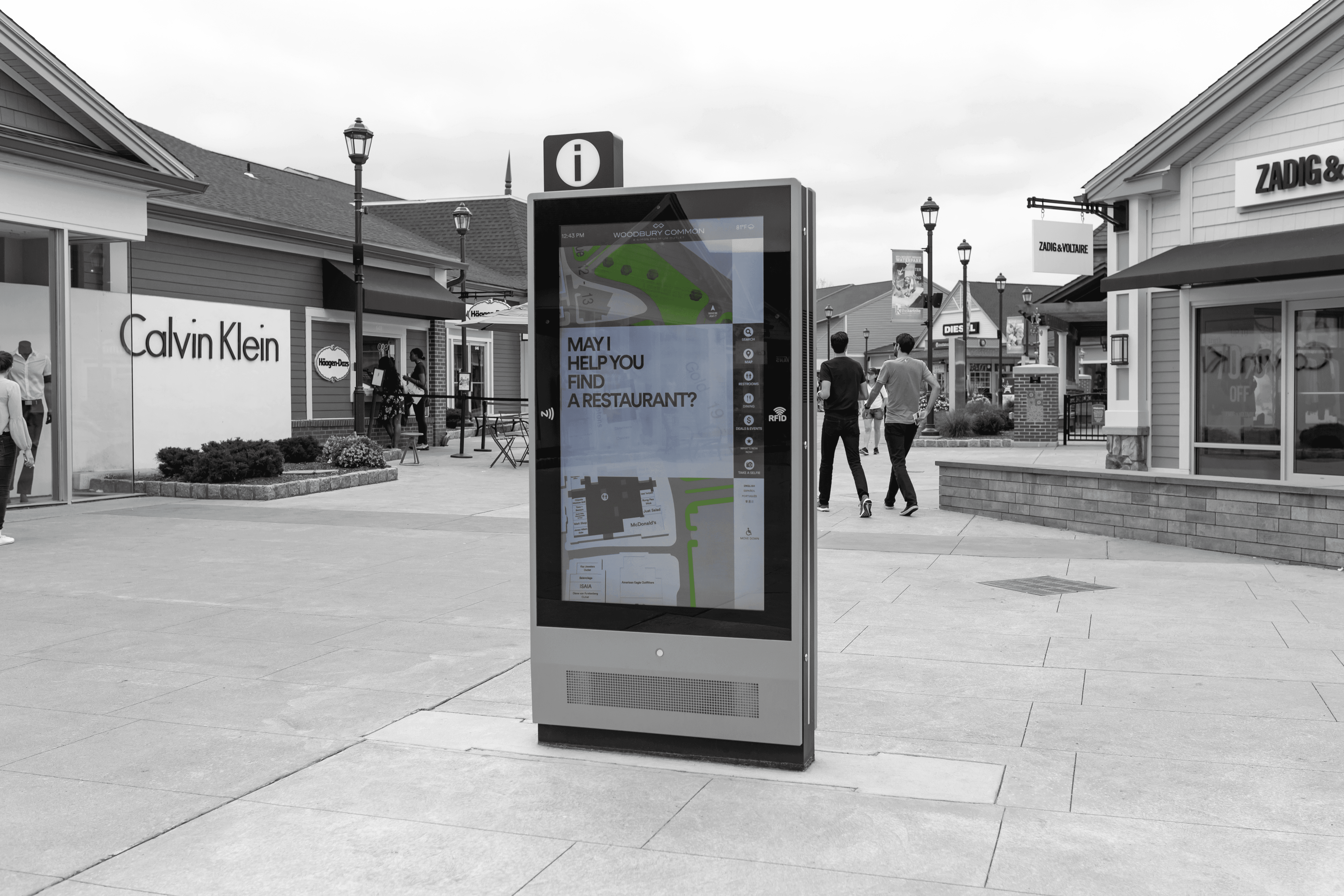
A comparison guide that treats all multi-site venues identically will lead you astray. Hotel and resort signage needs to flex between guest-facing wayfinding, event promotion, and in-room or lobby messaging, often across a portfolio with inconsistent branding by property. Mall wayfinding operates at higher footfall, needs to support tenant advertising revenue, and must hold up under near-constant public interaction.
Simon Property Group standardised wayfinding across more than 95 locations by moving to a single connected platform rather than managing each mall in isolation, and the shift produced not just consistency but new advertising revenue built on the data the unified system generated. That outcome came from infrastructure, not from any single feature on a spec sheet.
When comparing platforms, ask a vendor to speak to your sector specifically. A generic answer is a signal the platform was not built with your environment's complexity in mind.
The comparison question that actually matters
Kiosk management, remote monitoring, analytics, and programmatic tools are the categories every comparison guide will tell you to check. They are necessary. They are not sufficient. The real evaluation question for 2026 is whether these functions live inside one connected infrastructure, or whether you are assembling them from separate vendors, separate contracts, and separate versions of the truth.
Six systems that each perform well in isolation still leave you managing the seams between them. That is where downtime, data gaps, and slow decisions come from, not from any individual feature falling short.
Before signing with any platform, ask one question beyond the spec sheet: if something goes wrong at 6am in a resort lobby, or a mall on Black Friday, how many systems does your team need to check, and how many people does it take to fix it? The answer tells you whether you are buying a platform or inheriting a patchwork.
what's next
Want to know more?
Book a consultation with our experts
By submitting this form you agree to our terms.