blog
Digital Experiences Aren't Managed. They're Delivered.
Jun 12, 2026
The Industry's Latest Obsession
The digital signage industry has always had a habit of reinventing itself.
Every few years, a new term emerges that promises to redefine the market. Vendors update their messaging, product categories are reshaped, and suddenly everyone is racing to position themselves at the centre of the latest industry trend. More often than not, however, the technology itself hasn't changed nearly as much as the terminology surrounding it.
Recently, the phrase "digital experiences" has become one of those terms.
On the surface, that's a positive development. After all, creating engaging, memorable and meaningful experiences has always been one of the primary objectives of digital signage.
The challenge arises when the industry begins treating digital experiences as something that can be created through management software alone.
Because the truth is far simpler.
Digital experiences aren't created in dashboards. They aren't built through reporting tools, approval workflows or device management portals. They aren't the result of having more administration features than the next platform.
Experiences Happen in Front of the Screen
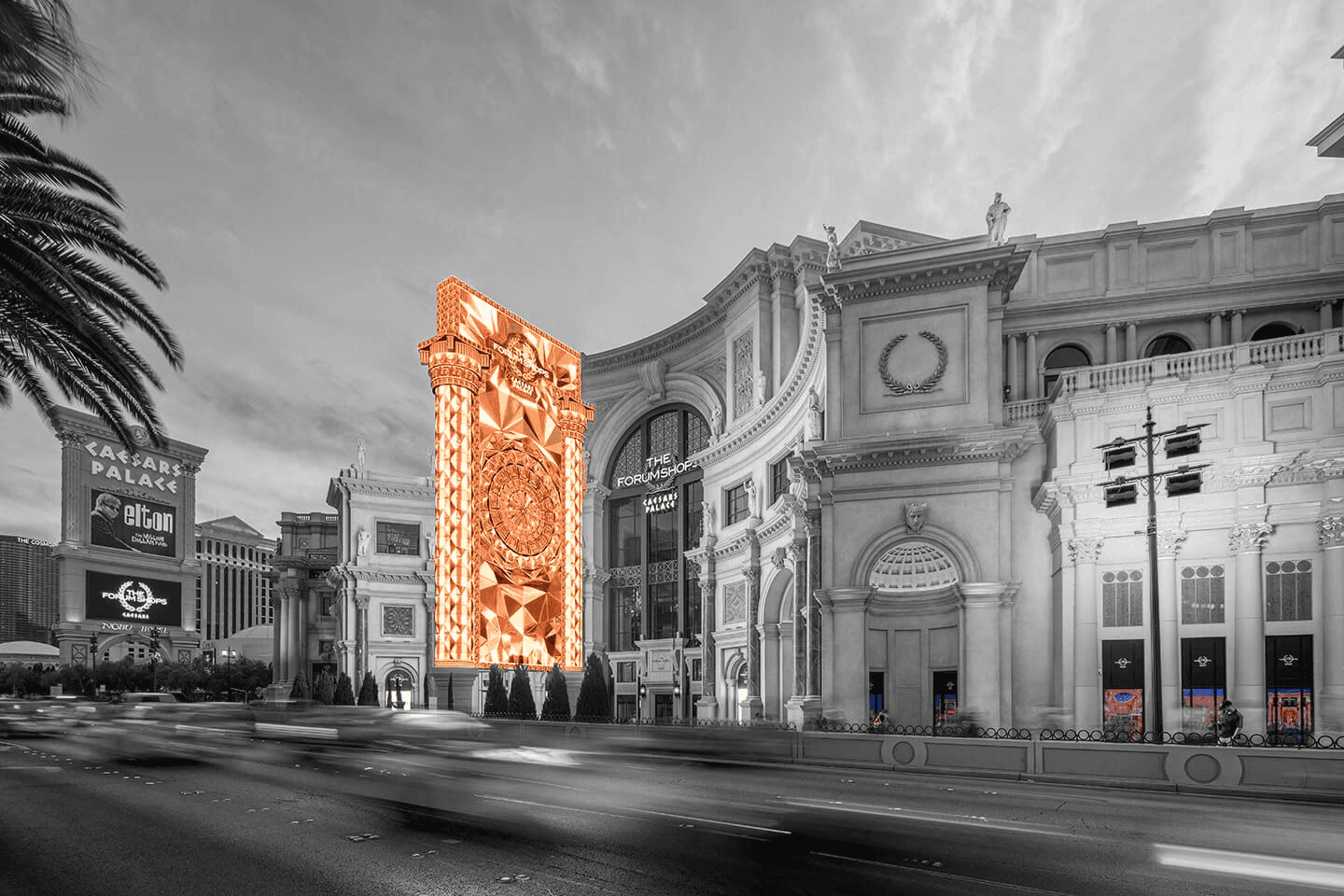
Digital experiences are created when technology, content and environment come together seamlessly to achieve a specific outcome. They happen when a stadium erupts with synchronised visual content at exactly the right moment. They happen when a visitor attraction transports guests into a story through a carefully orchestrated combination of media, lighting and interaction. They happen when critical information reaches passengers in a busy transport hub without confusion, delay or disruption.
In every case, the experience exists in front of the screen, not behind it.
Unfortunately, much of the conversation within our industry has become focused on everything surrounding the experience rather than the experience itself.
When Management Becomes the Product
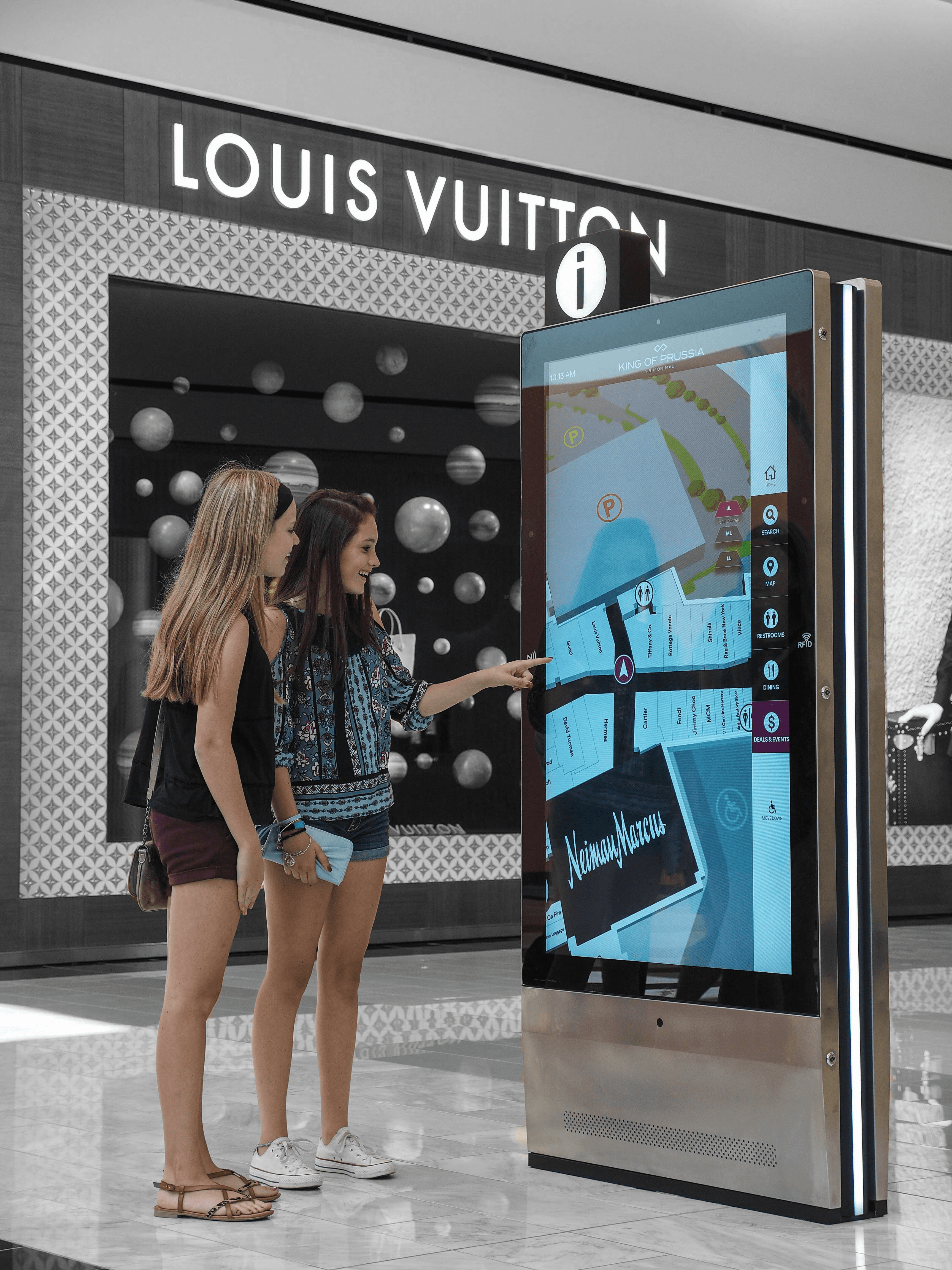
Software vendors proudly showcase increasingly complex management layers. New dashboards are introduced. More workflow tools appear. Reporting capabilities expand. User management becomes more sophisticated. Device monitoring becomes more detailed. The list of features grows longer every year.
None of these things are inherently bad. In fact, many of them are valuable.
The problem is that somewhere along the way, the industry began mistaking operational convenience for audience impact.
The ability to manage content efficiently does not automatically create a better experience. The ability to monitor a network of displays does not make those displays more engaging. The ability to generate detailed reports does not improve the quality of the content being delivered.
These are management functions. They support the experience, but they are not the experience.
Audiences Don't Care About Your Dashboard
That distinction matters because audiences have never cared about the software powering a display network.
Nobody walks into a sports arena and wonders which content management system is being used. Nobody visits a museum and admires the workflow engine responsible for approving content. Nobody leaves a retail environment talking about the reporting dashboard that sits behind the scenes.
What people remember is how the experience made them feel.
They remember the atmosphere.
They remember the excitement.
They remember the moment.
The Real Challenge: Delivering at Scale
The irony is that as digital signage technology has become more advanced, delivering those moments has become significantly more challenging.
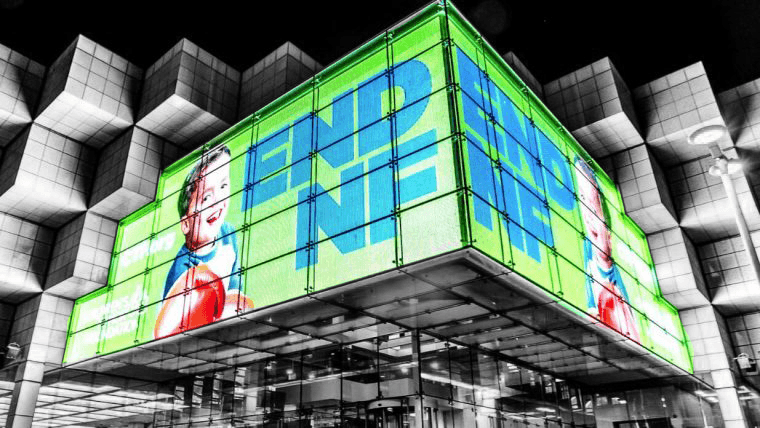
Modern display environments are no longer simple networks of screens playing scheduled content. Today we're working with massive LED canvases, complex videowalls, immersive projection systems, interactive environments and multi-display experiences that span entire venues. Content is expected to be synchronised, responsive, dynamic and visually flawless regardless of scale or complexity.
In these environments, execution becomes everything.
A digital experience can be ruined by a poorly synchronised display. It can be undermined by dropped frames, inconsistent playback or unreliable infrastructure. It can fail because content doesn't appear when it should or because a system isn't capable of delivering what was promised during the design phase.
Delivery Is What Defines the Experience
This is why the conversation around digital experiences needs to move beyond management features and return to delivery.
The question shouldn't be how many administrative tools a platform offers.
The question should be whether it can consistently deliver the experience that was envisioned.
Can it handle demanding LED environments?
Can it support complex playback requirements?
Can it synchronise content across multiple endpoints?
Can it perform under pressure when failure simply isn't an option?
These are the questions that matter because these are the questions that ultimately define the audience experience.
Why StudioDX Takes a Different Approach
At Acquire, we've always believed that digital signage software should be judged by what appears on the screen rather than the number of features hidden behind it.
That's why StudioDX was built around playback performance, reliability and execution from the ground up. Not because management tools aren't important, but because they should never become the primary focus.
The audience doesn't see the dashboard.
The audience sees the result.
Looking Beyond Industry Buzzwords
As our industry continues to evolve, there will undoubtedly be new terms, new categories and new attempts to redefine what digital signage software should be. That's healthy. Innovation is essential, and new ideas push the entire industry forward.
But regardless of how the language changes, one principle remains constant.
Digital experiences are not defined by how they're managed.
They're defined by how they're delivered.
Everything else is simply supporting infrastructure.
what's next
Want to know more?
Book a consultation with our experts
By submitting this form you agree to our terms.